Key Takeaways
- Non-surgical treatments are the vital first line of defense for preserving native knee joint structures.
- Weight loss reduces joint forces exponentially: every single pound lost relieves four pounds of joint load.
- Targeted physiotherapy and strength building form a dynamic protective sleeve around the knee.
- Supportive bracing (unloader braces) physically redirects ground impact away from worn compartments.
- Intra-articular injections—corticosteroids, lubricants, PRP, or hydrogels—offer targeted relief.
Understanding Your Knee Health: Simple Non-Surgical Treatments for Knee Pain
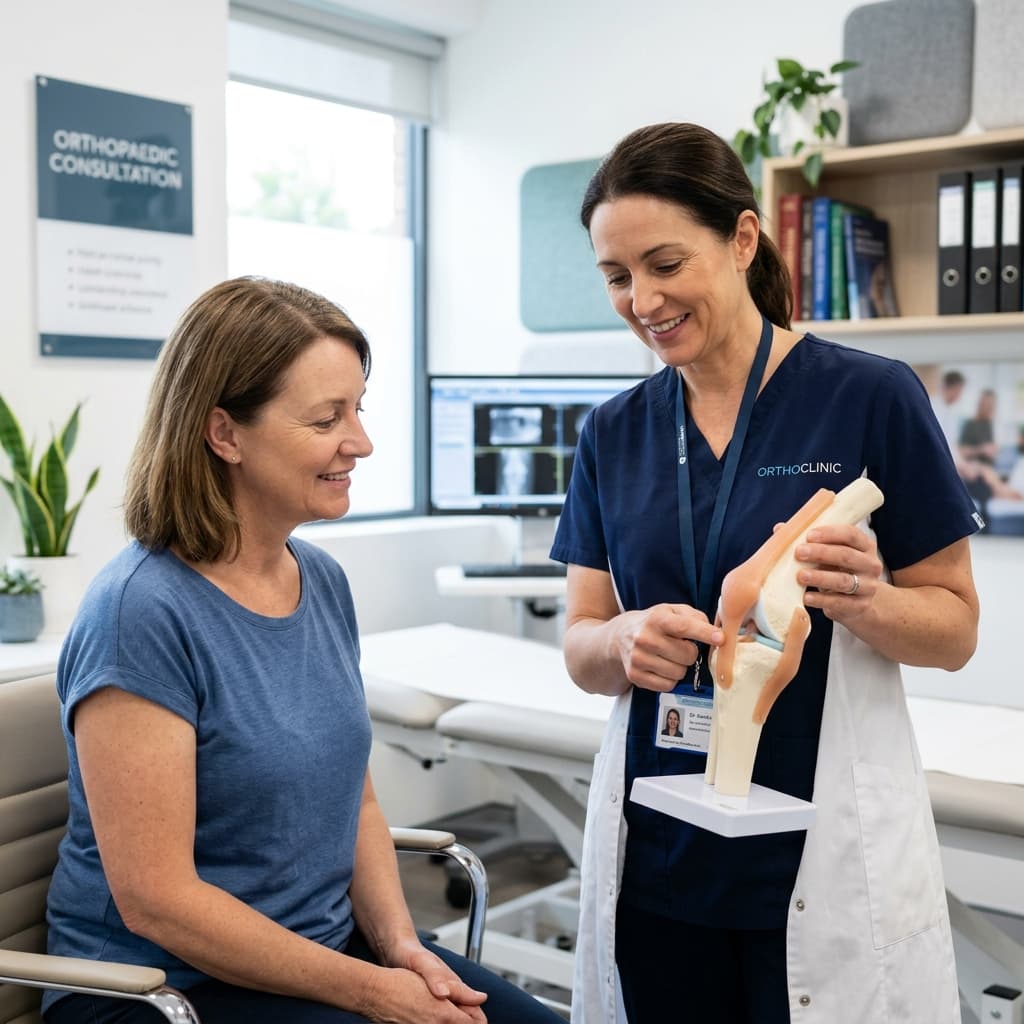
For many patients experiencing knee pain or early osteoarthritis, the prospect of joint surgery can feel daunting. However, modern orthopedic guidelines strongly emphasize a conservative-first approach. Knee joint preservation is a clinical philosophy focused on protecting your native anatomy, delaying arthritis progression, and restoring mobility without resorting to joint replacement surgery. By implementing a structured combination of non-surgical therapies, patients can often achieve lasting pain relief, maintain an active lifestyle, and protect their joint surfaces from further wear.
"Keeping your leg muscles strong and maintaining gentle daily movement is the most effective natural way to protect your knee."
Weight Management: Easing the Mechanical Burden
From a mechanical standpoint, your knees are under immense stress during everyday activities. During normal flat-ground walking, the force transmitted across your knee joint is approximately four times your total body weight. When climbing stairs or squatting, this force rises to between six and eight times your body weight. This means that for a person weighing 200 pounds, their knees experience up to 800 pounds of pressure with every step, and 1,600 pounds when ascending stairs.
Because of this leverage effect, weight management is one of the most powerful tools for joint preservation. Clinical trials show that losing just ten pounds of body weight reduces joint load by an incredible 40 pounds per step. Over the course of a single mile, this prevents tens of thousands of pounds of unnecessary stress on the worn cartilage. Furthermore, fatty tissue releases systemic inflammatory chemicals (adipokines) that actively degrade joint cartilage. Weight reduction therefore works in two ways: it physically relieves joint load and chemically dampens joint inflammation.
Targeted Strengthening and Physical Therapy
A key aspect of knee preservation is building the muscles that support the joint. The quadriceps (thigh front), hamstrings (thigh back), and gluteal muscles (hips) serve as your body's active shock absorbers. When these muscles are strong and coordinate properly, they absorb ground impact forces before they reach the sensitive bone-on-bone interfaces of your joint.
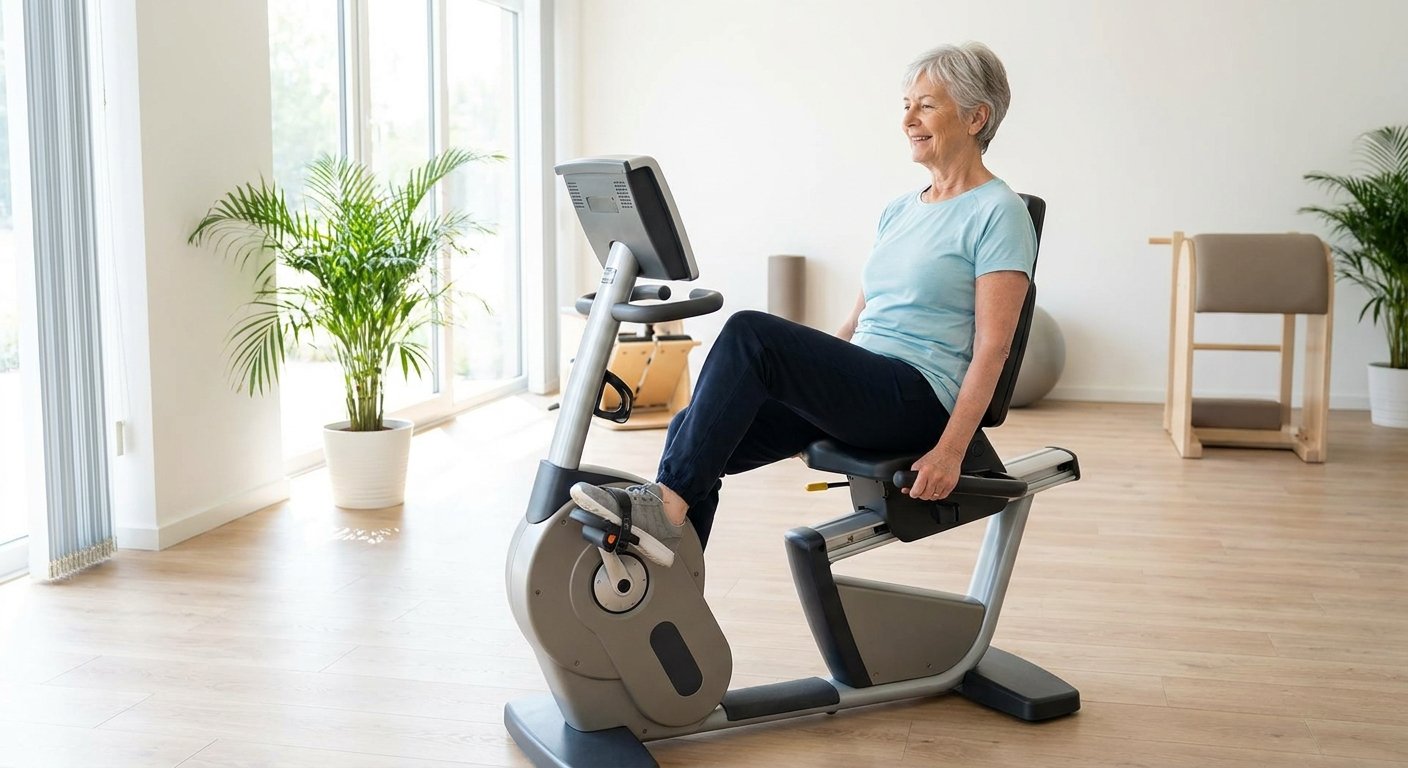
Physical therapy programs for knee pain focus on low-impact strengthening and joint alignment. Exercises like straight leg raises, hamstring curls, and gluteal activation help stabilize the kneecap (patella) and tibial compartments. In addition to local strengthening, stretching the calves, hamstrings, and hip flexors helps maintain full joint range of motion, preventing the stiffness and compensatory gait changes that can overload the opposite leg.
Supportive Knee Bracing: Unloading the Pain
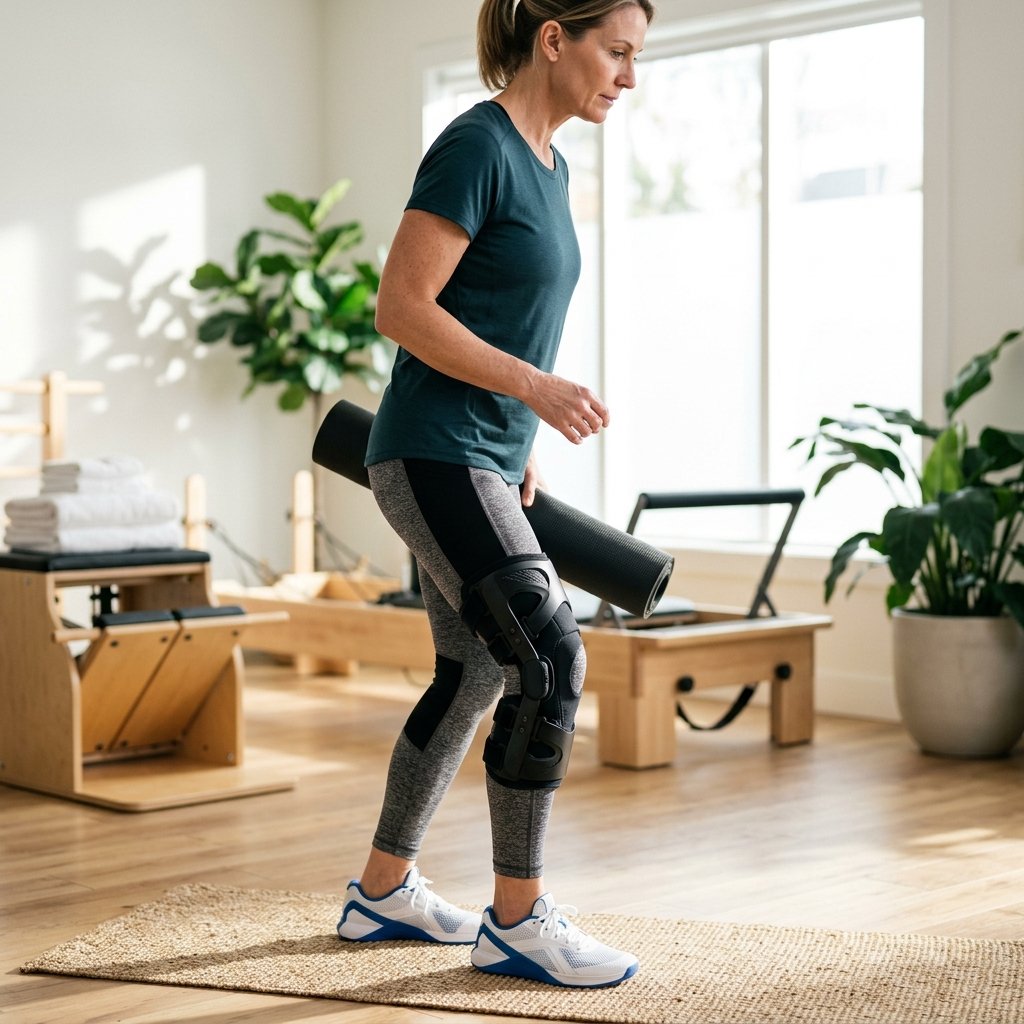
Knee braces play a valuable role in managing pain and correcting mechanical alignment. There are two primary categories of braces used for knee preservation: compression sleeves and structured unloader braces.
Compression sleeves are made of soft, elastic materials and help by warming the joint, reducing mild swelling, and improving proprioception (the body's awareness of joint position in space). Structured unloader braces, on the other hand, are engineered for patients with single-compartment osteoarthritis (typically medial wear, which causes a bow-legged alignment). These braces use a rigid frame and a three-point leverage system to apply a gentle force, physically opening up the collapsed side of the joint and transferring weight to the healthy, unworn side. This offloading allows patients to walk longer distances with significantly less pain.
Soothing Intra-Articular Injections
When oral pain relief and physical therapy are not enough to manage knee flares, intra-articular injections offer a highly targeted treatment option. These injections are performed directly into the joint space, often under ultrasound guidance to ensure exact placement:
- •Corticosteroid Injections: These are powerful anti-inflammatory agents that provide rapid, significant pain relief during severe flare-ups. While highly effective for short-term relief, their use is typically limited to 3-4 times a year to prevent cartilage thinning.
- •Hyaluronic Acid (Viscosupplementation): Hyaluronic acid is a natural component of synovial fluid. Injections of this gel-like lubricant help restore the joint's shock-absorbing properties, coat worn surfaces, and ease grinding aches over a 6-month period.
- •Platelet-Rich Plasma (PRP) Therapy: PRP utilizes concentrated growth factors harvested from the patient's own blood. These growth factors help reduce chronic inflammation, modulate joint chemistry, and promote a healing environment.
- •Hydrogel Injections (Arthrosamid): A modern, non-biodegradable hydrogel injection that integrates with the synovial membrane, providing a long-lasting protective cushion and friction-free glide within the joint cavity.