Key Takeaways
- Return-to-sport decisions must be based on objective clinical criteria and strength milestones, not just time elapsed.
- Limb Symmetry Index (LSI) of 90% or higher in quadriceps strength and hop testing is a key benchmark to minimize re-injury.
- ACL reconstruction requires a minimum of 9 months rehabilitation before returning to pivoting or contact sports.
- Meniscal repairs require a cautious pathway (4-6 months) to protect tissue, while meniscectomies allow quicker returns (4-8 weeks).
- Psychological readiness and confidence are just as important as physical strength for a safe return to sports.
The Shift to Criteria-Based Return to Sport
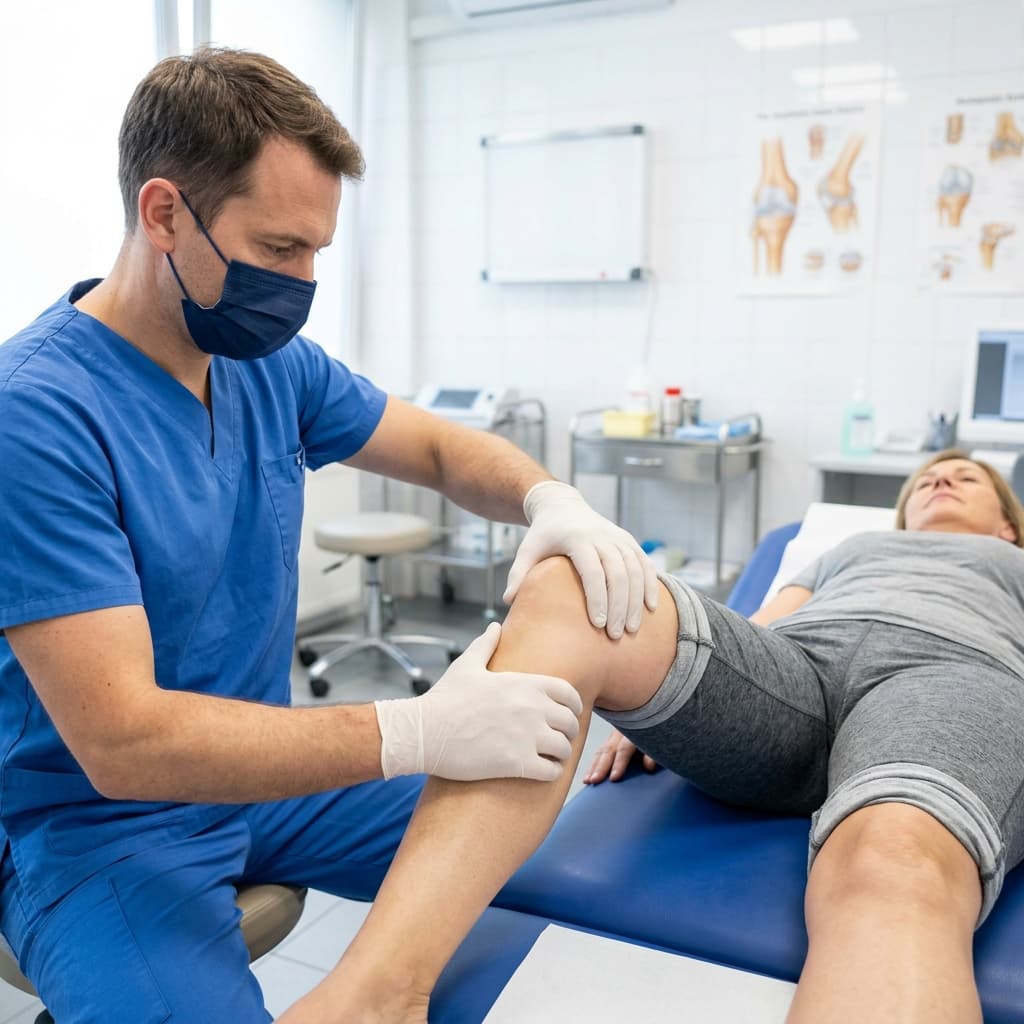
Historically, athletes recovering from knee injuries or surgery were cleared to return to sports based almost entirely on time elapsed since the injury. Today, sports medicine has shifted toward a criteria-based progression. This means that an athlete must pass specific clinical, strength, and functional milestones before they can safely return to competitive activities.
Returning too early or returning with residual muscle weakness greatly increases the risk of secondary injuries. A safe progression involves building a strong foundation of muscle strength, restoring full joint range of motion, and gradually introducing agility and sport-specific drills under professional guidance.
"Achieving symmetric muscle strength and neuromuscular control is the most critical factor in reducing the risk of a secondary knee injury."
Anterior Cruciate Ligament (ACL) Reconstruction Guidelines
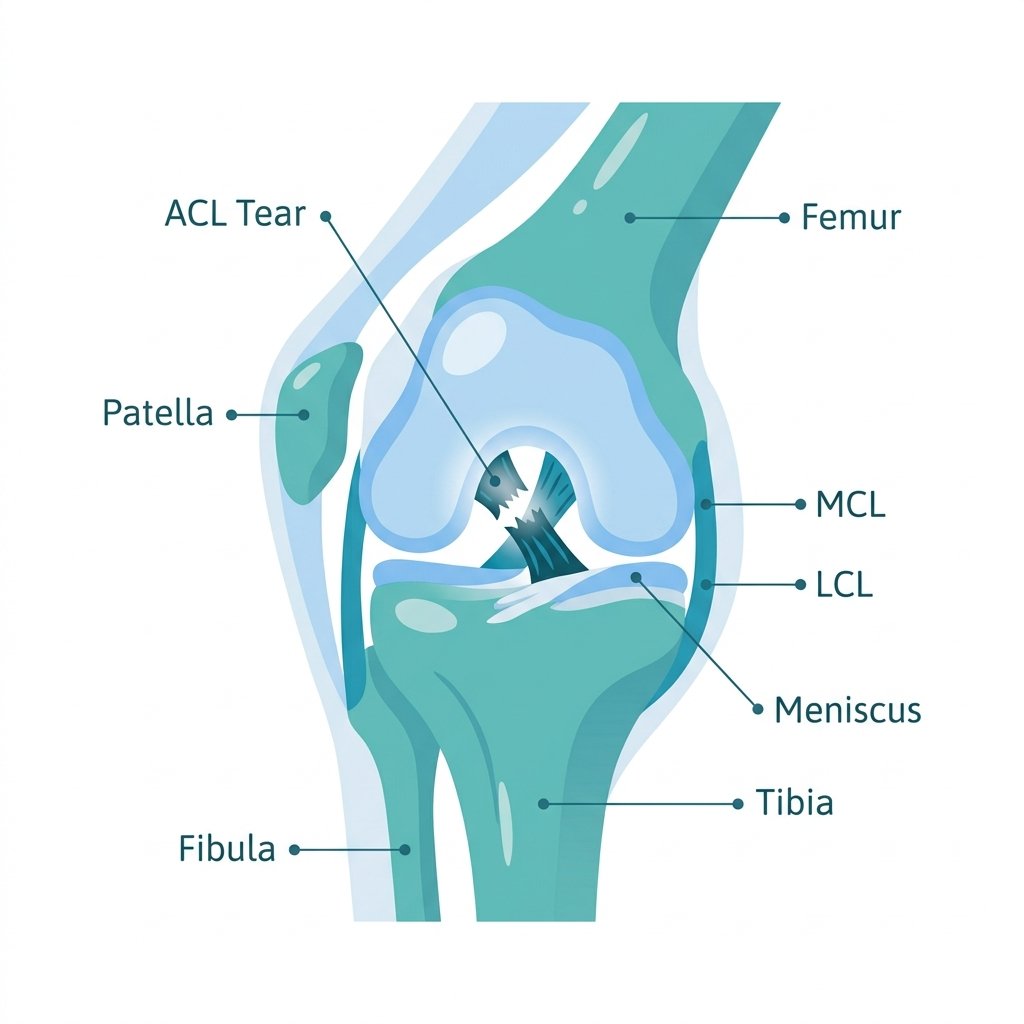
Rehabilitation following ACL reconstruction (ACLR) is a long, structured process. The graft tissue undergoes a biological transformation inside the joint, which takes months to mature and gain strength. Clinical evidence strongly supports the following return-to-sport criteria:
- •Time Since Surgery: A minimum of 9 months of active rehabilitation is recommended before returning to high-impact, pivoting, or contact sports. Research shows that for every month return is delayed up to 9 months, the risk of re-injury is reduced by 51%.
- •Quad and Hamstring Strength: Quadriceps and hamstring strength must achieve a Limb Symmetry Index (LSI) of 90% or higher compared to the non-injured leg.
- •Functional Hop Tests: Passing a battery of single-leg hop tests (single hop, triple hop, crossover hop, timed hop) with at least 90% LSI.
- •Psychological Readiness: Scoring highly on psychological readiness questionnaires, such as the ACL-Return to Sport After Injury (ACL-RSI) scale, to ensure the athlete has the confidence to return without fear.
Meniscal Surgery: Repair vs. Meniscectomy
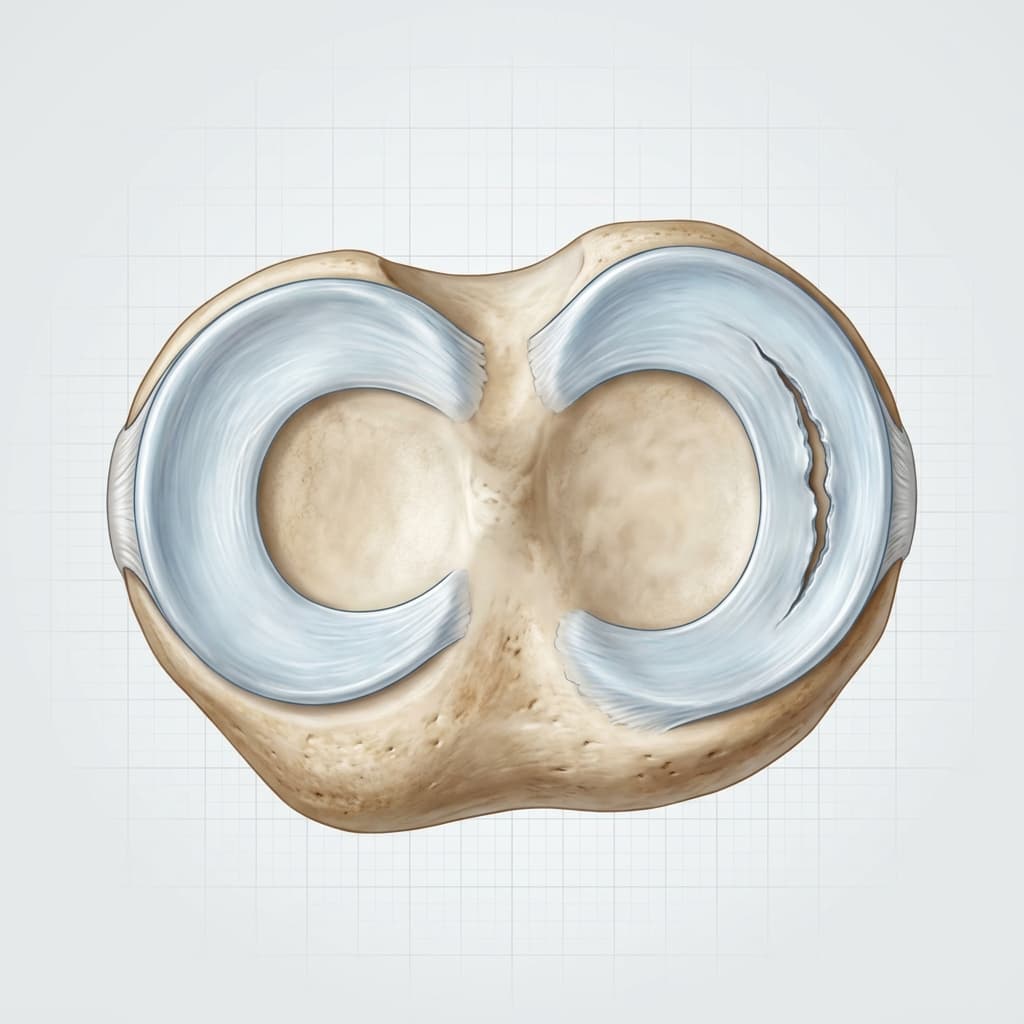
The meniscus acts as the natural shock absorber inside your knee. When surgical treatment is required, the approach taken determines your rehabilitation timeline:
- •Meniscal Repair: Since a repair involves sewing the torn meniscus back together, the healing tissue must be protected. Flexion (bending) is restricted in the early weeks, and high-impact running or pivoting is usually delayed for 4 to 6 months. Returning to competitive pivoting sports typically takes 6 months to allow the meniscus to heal securely.
- •Meniscectomy (Partial Meniscectomy): This involves trimming away the torn, unstable piece of the meniscus. Because there is no tissue healing to protect, rehabilitation is much quicker. Range of motion and light loading can begin immediately. Most athletes can return to sports within 4 to 8 weeks, depending on swelling and strength. However, because removing meniscus tissue increases long-term joint wear, building strong muscle support is essential.
Knee Ligament Injuries: MCL, LCL, and PCL
Sprains of the collateral ligaments (MCL and LCL) and the posterior cruciate ligament (PCL) are graded by severity. The rehabilitation pathway depends on the grade and whether surgery was required:
- •Medial Collateral Ligament (MCL) Injuries: The vast majority of MCL injuries heal without surgery. Grade I and II sprains are managed in a hinged brace that protects against side-to-side stress while allowing bending. Return to play ranges from 4 to 8 weeks. Severe Grade III tears may require 8 to 12 weeks of structured rehabilitation.
- •Lateral Collateral Ligament (LCL) and Posterior Cruciate Ligament (PCL) Injuries: Because these injuries often occur alongside other ligament damage, they require careful management. Isolated LCL or PCL sprains can sometimes be managed non-surgically in specialized braces. If surgical reconstruction is required, return to sports is typically restricted for 6 to 9 months.
The Return-to-Play Rehabilitation Pathway
To bridge the gap between basic rehabilitation and sports competition, athletes should follow a structured return-to-play pathway:
- •Straight-Line Running: Initiated only once the athlete can perform a single-leg squat with good alignment and has symmetric leg strength.
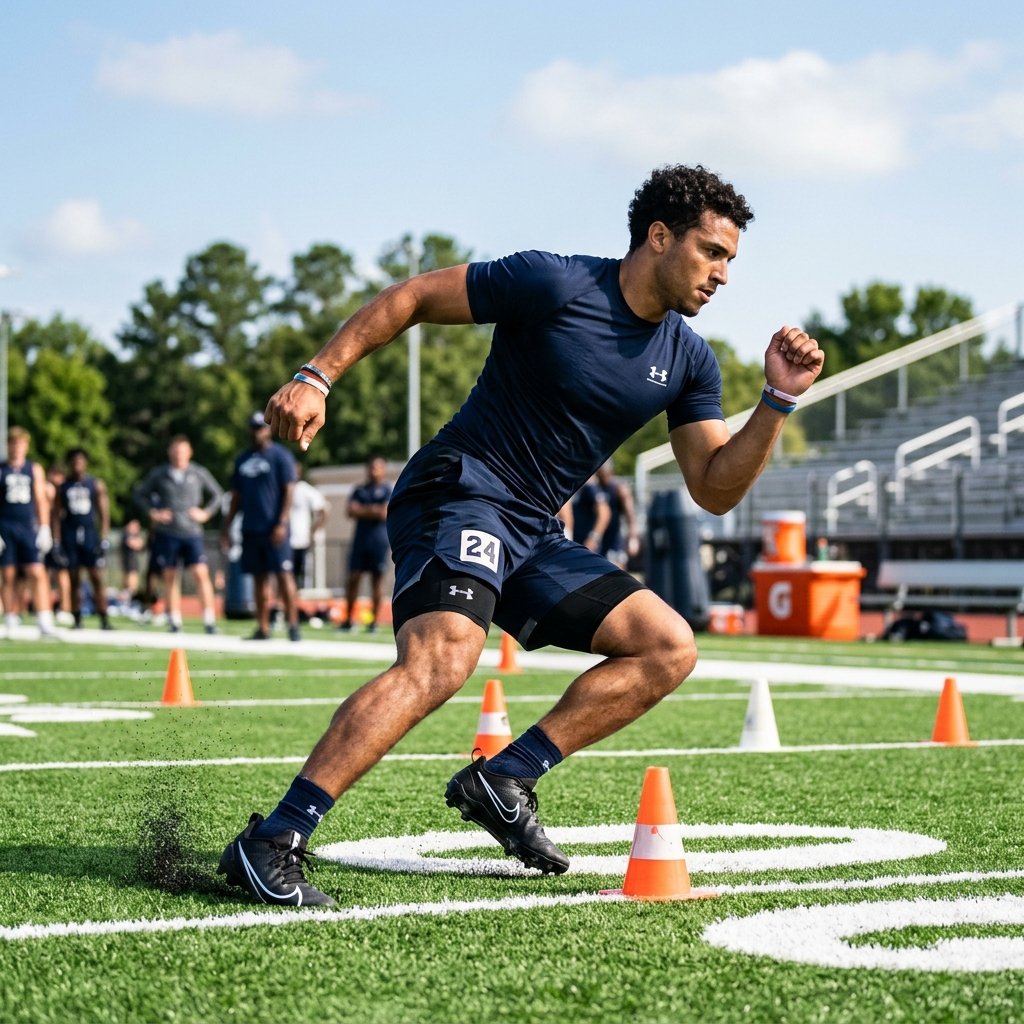
- •Agility and Change-of-Direction: Introducing lateral shuffles, figure-eight runs, and cutting drills at slow speeds, gradually increasing intensity.
- •Non-Contact Sport Practice: Participating in non-contact team training drills to build confidence and sports-specific skills.
- •Full Contact Practice: Returning to contact situations once cleared by the surgeon and physical therapist.
- •Competitive Play: Gradual reintroduction to competitive match play, starting with restricted minutes.