Hearing the News: What Does an ACL Tear Mean for You?
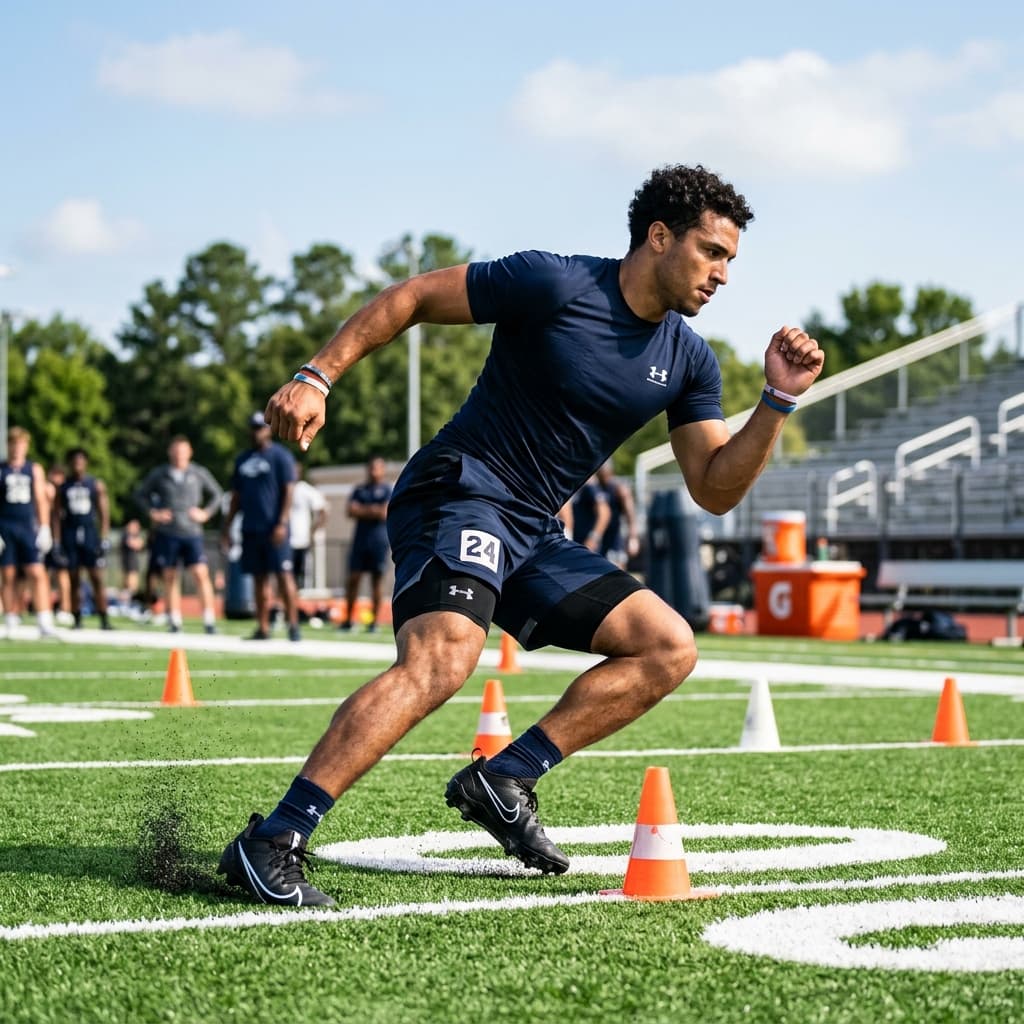
Hearing that you have torn your anterior cruciate ligament (ACL) can feel completely daunting. Whether you heard a sudden "pop" while turning on the football pitch, landed awkwardly during a netball match, or twisted your knee on a ski slope, the initial shock is often accompanied by urgent questions: Will I ever get back to my favorite sports? Do I need major knee surgery immediately? Or can my knee heal with exercise and a brace?
First, take a deep breath. An ACL injury is serious, but medical science has advanced dramatically over recent years. Today, having an ACL tear does not automatically mean you must undergo surgery right away. For many people, high-quality, structured physiotherapy—sometimes paired with specialized bracing—can offer an equally effective path back to a strong, stable, and pain-free life.
To help you navigate this important choice, let us break down how your knee works, how surgery and non-surgical treatments compare, and what the latest clinical research tells us.
Understanding Your ACL: The Knee’s Internal Steering Wheel
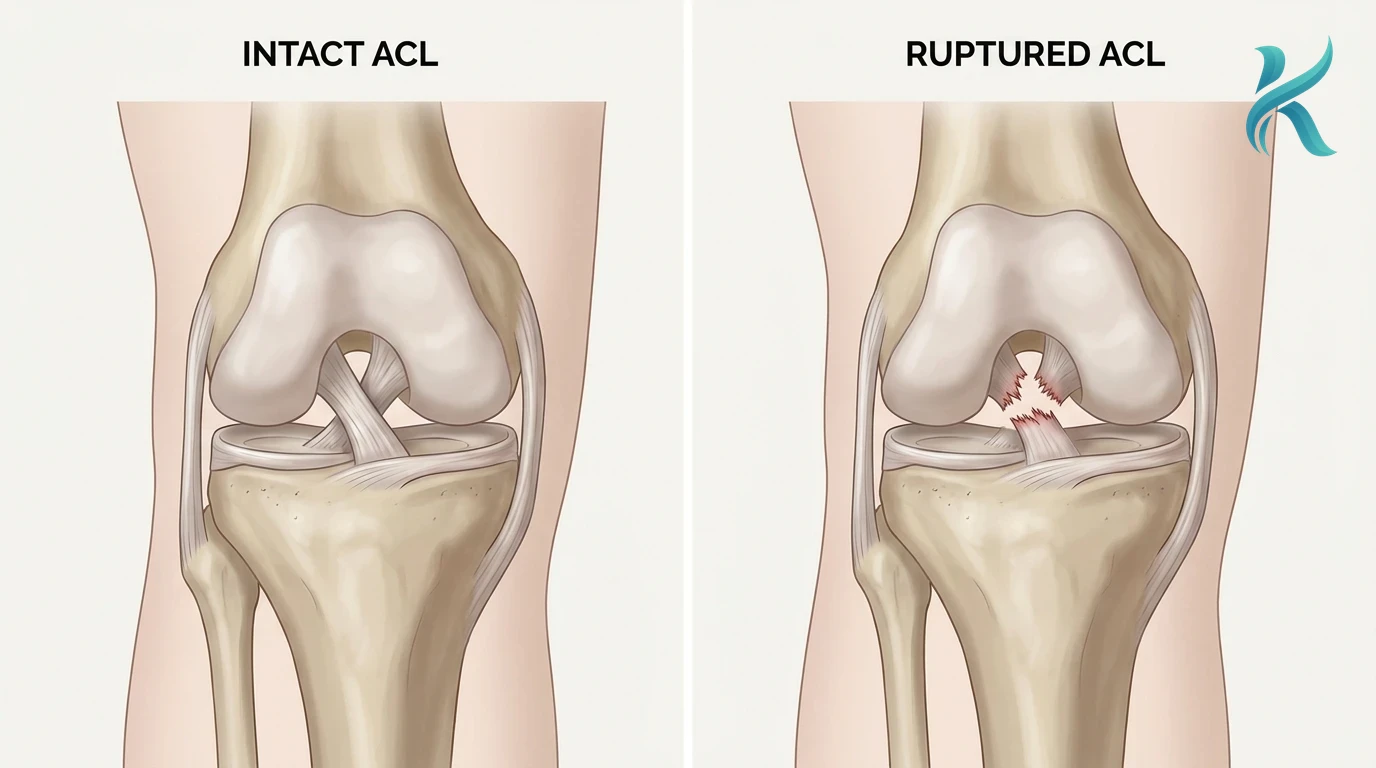
To understand your treatment options, it helps to understand what the ACL actually does. The ACL (anterior cruciate ligament) is a tough, flexible band of tissue located right in the middle of your knee joint. Think of it as an internal stabilizing strap or steering wheel: it connects your thighbone (femur) to your shinbone (tibia), stopping the shinbone from sliding too far forward and keeping your knee stable during twisting or pivoting movements.
When the ACL tears, the physical strap is disrupted. This can leave the knee feeling "loose" or prone to "giving way" under load.
Traditionally, surgeons believed that because the ACL sits inside fluid within the joint, it had very little ability to heal on its own. Consequently, the standard advice for decades was to reconstruct it surgically. However, modern sports medicine views the knee as a dynamic system where strong muscles, nervous system control, and personalized bracing can heavily compensate for—and sometimes even promote the repair of—a torn ligament.
Pathway 1: Non-Surgical Rehabilitation & Bracing
Non-surgical management does not mean "doing nothing." In fact, it requires a dedicated, progressive exercise regime guided by a specialist physiotherapist.
What Does Non-Surgical Treatment Involve?
- Phase 1: Calming the Joint: Reducing swelling, managing pain, and restoring basic movement (getting your knee fully straight and bending comfortably).
- Phase 2: Muscle Rebuilding: Focusing intensely on strengthening your quadriceps (front thigh muscles), hamstrings (back thigh muscles), and gluteal (hip) muscles. These muscles act as "dynamic stabilizers" that protect your knee in place of the torn ligament.
- Phase 3: Neuromuscular & Balance Retraining: Training your brain and nervous system to react quickly to unstable surfaces, improving balance and body awareness (proprioception).
- Targeted Bracing: In certain cases, offloader or stabilizing knee braces are used during early healing or during higher-risk activities to prevent excessive twisting while muscle strength builds up.
Emerging Bracing Protocols
In recent years, researchers have experimented with novel non-surgical techniques, such as the Cross-Bracing Protocol. This involves holding the knee locked in a bent angle (around 90 degrees) in a brace for several weeks immediately after an acute tear. The goal is to reduce the distance between the torn ends of the ligament, encouraging spontaneous biological healing.
[NEEDS CLINICAL REVIEW] Emerging cross-bracing protocols (such as the Australian Cross-Bracing Protocol) report promising signs of ACL healing on follow-up MRI scans for selected acute tears. However, long-term functional stability, re-tear rates, and stiffness risks compared to standard early mobility protocols or surgery are still actively debated in the orthopaedic community and require careful patient selection.
Pathway 2: Surgical Reconstruction
ACL surgery is known as ACL reconstruction. Because a torn ACL cannot simply be sewn back together, the orthopaedic surgeon removes the damaged ligament tissue and replaces it with a graft—a tendon taken from another part of your body (such as your hamstring or quadriceps tendon) or occasionally from a donor.
Key Aspects of Surgery:
- Keyhole Surgery (Arthroscopy): Performed through small incisions using a tiny camera and instruments.
- Securing the Graft: Tunnels are drilled into the thighbone and shinbone, and the new tendon graft is fixed securely in place.
- Rehabilitation Still Required: Surgery is only the first step. You will still need 9 to 12 months of structured physiotherapy after surgery to rebuild muscle power and safely prepare your graft for sport.
What Does the Clinical Evidence Say?
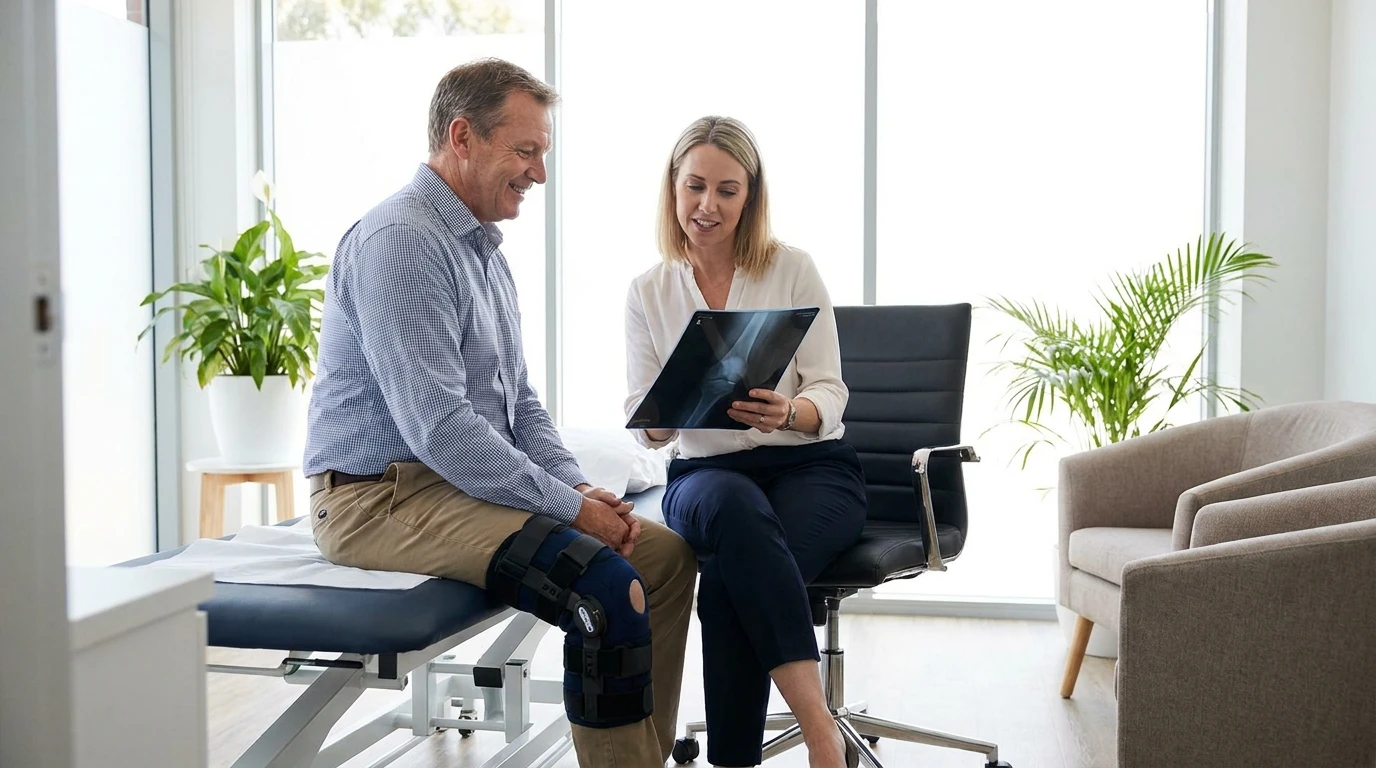
When weighing surgery against non-surgical therapy, it helps to look at high-quality scientific studies published in leading medical journals like The American Journal of Sports Medicine (AJSM) and The Journal of Bone and Joint Surgery (JBJS).
- The Landmark KANON Trial: One of the most important clinical studies on this topic evaluated active adults with acute ACL tears. One group received immediate ACL reconstruction, while the other started with structured physiotherapy alone, with the option for "delayed" surgery if their knee remained unstable. At 2-year and 5-year follow-ups, both groups showed equally significant improvements in pain, knee function, and overall satisfaction. Roughly half of the exercise group never needed surgery at all.
- Muscle Strength is King: Evidence consistently demonstrates that overall knee function and long-term joint health depend heavily on quadriceps strength and dynamic movement control, regardless of whether a patient has an operation.
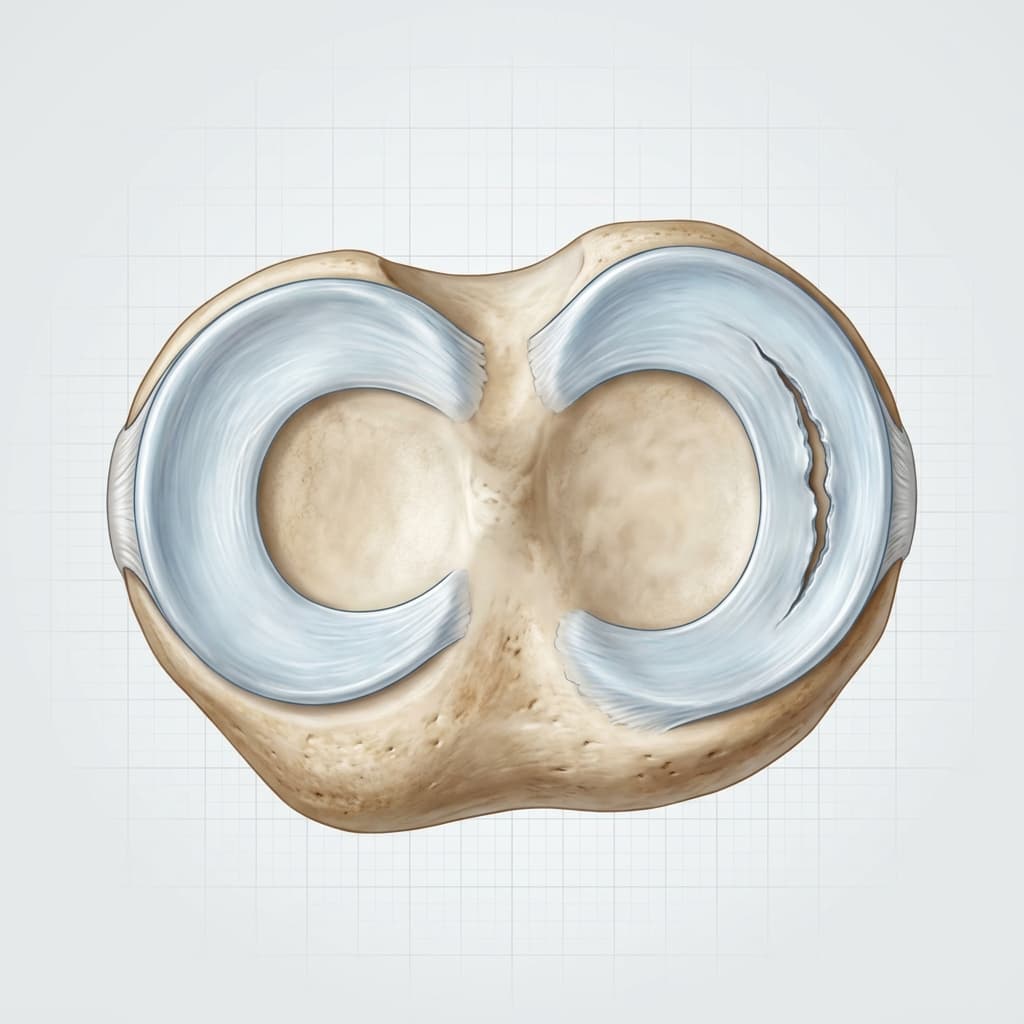
- Protecting the Cushioning Cartilage: A main argument for surgery has traditionally been protecting the meniscus (the shock-absorbing cartilage pads inside your knee). Research shows that if a knee suffers from ongoing, uncorrected instability where it slips or gives way repeatedly, the risk of meniscus damage increases. However, if physiotherapy successfully restores knee stability, joint health can be well-preserved without surgical intervention.
Surgery vs. Physiotherapy: How to Decide
There is no "one size fits all" answer. The right decision depends on your unique knee, your daily lifestyle, and your future goals.
| Factor | Favours Non-Surgical Pathway | Favours Surgical Pathway |
|---|---|---|
| Activity Goals | Straight-line sports (running, cycling, swimming, gym work) | High-level pivoting/contact sports (football, rugby, netball, skiing) |
| Knee Feeling | Stable during daily movements and light exercise | Unstable; knee frequently slips or "gives way" |
| Associated Injuries | Isolated ACL tear with no severe repairable meniscus damage | "Complex" tear (e.g., bucket-handle meniscus tear requiring mechanical repair) |
| Occupational Demands | Desk-based or low-impact manual roles | High-demand physical jobs (e.g., ladder climbing, scaffolding, emergency services) |
Taking Your Next Step Safely
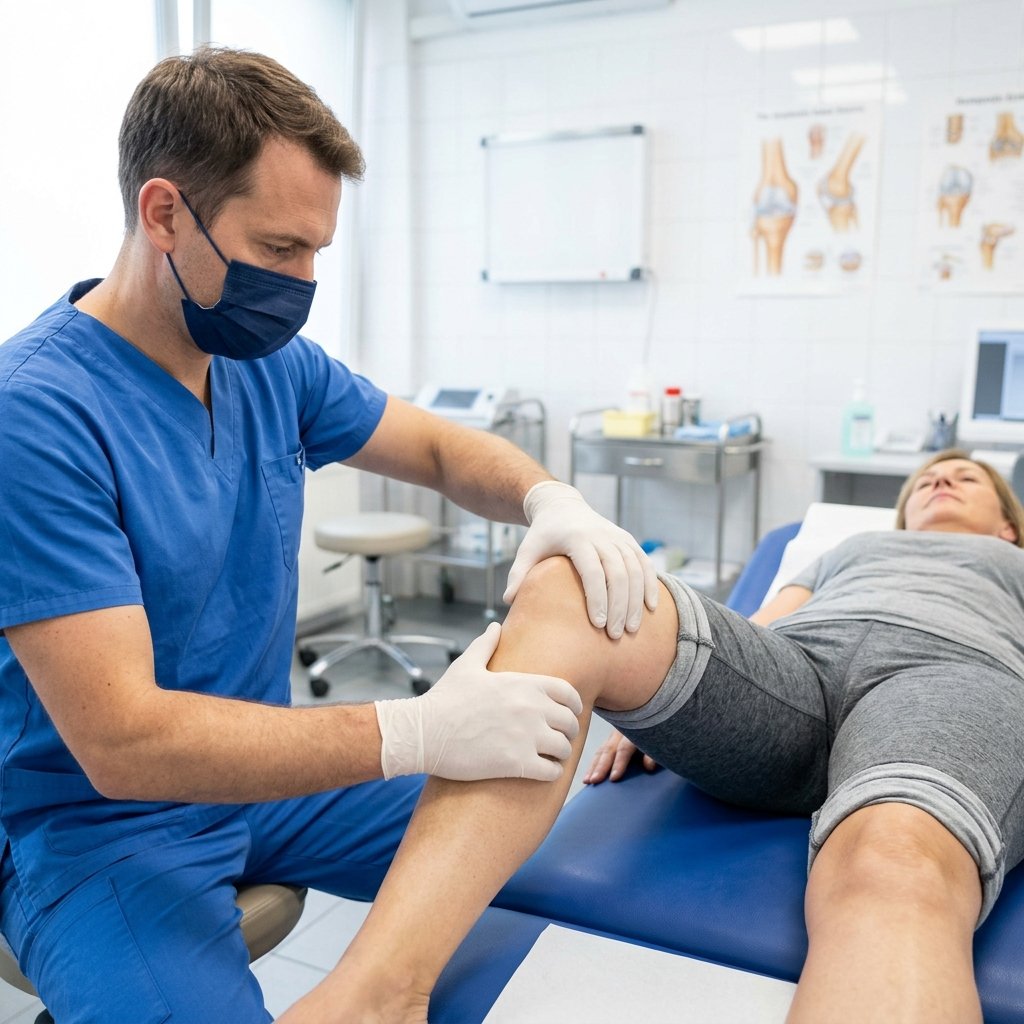
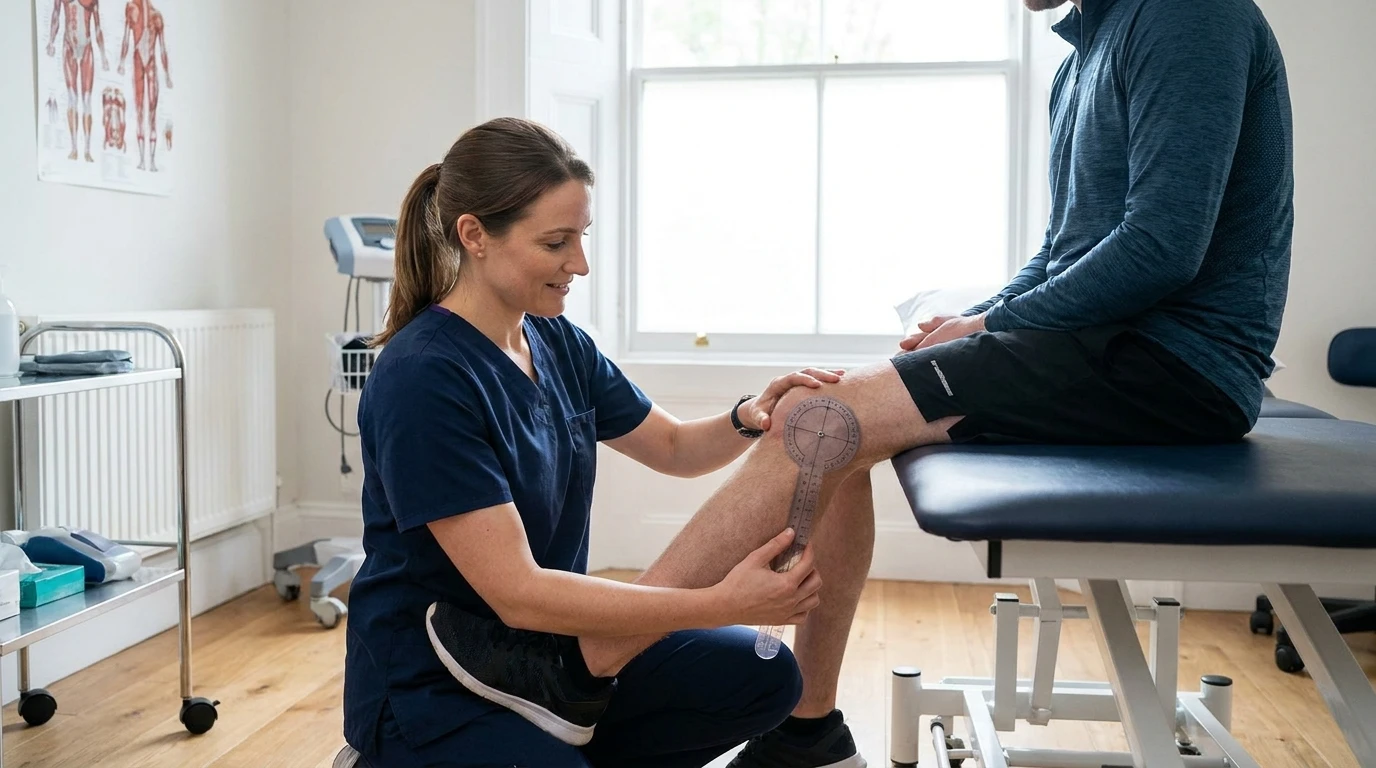
Choosing between surgical reconstruction and conservative rehabilitation is a significant medical decision. Rather than rushing into surgery or avoiding treatment entirely, the safest approach is a thorough, objective clinical assessment by a knee specialist.
At Lincolnshire Knee Clinic, we provide comprehensive evaluations that combine detailed physical examinations, high-resolution MRI analysis, and objective strength testing. We take the time to listen to your personal goals—whether that means returning to competitive sport or simply walking pain-free in the countryside—and partner with you to construct a personalized treatment plan tailored specifically to your life.
Ready to Discuss Your Knee Health?
If you have sustained a knee injury or are seeking a expert second opinion on an ACL tear, contact our clinical team today to book your consultation.
- Website: www.lincsknee.com
- Email: info@lincsknee.com
- Phone / WhatsApp: 07770473437
(Please note: Our preferred method of contact for this number is via WhatsApp message, as our consultant is frequently in theatre during clinic hours and unable to take live telephone calls immediately.)