
The Fear of "Wear and Tear"
If you are a runner—or are thinking about starting—you have likely been warned by well-meaning friends or family that running will "ruin your knees." It is a very common fear. Many of our patients at the Lincolnshire Knee Clinic come to us deeply anxious that the repetitive pounding of running is slowly grinding away their joints, paving the way for arthritis.
It is easy to understand where this fear comes from. We often think of our joints like the shock absorbers on a car, believing they have a limited lifespan and will inevitably wear out with high mileage. However, human joints are not mechanical parts; they are made of living, dynamic tissues that can adapt, strengthen, and repair themselves when managed correctly.
If you are eager to get back to the pavement, recover from an injury, or simply want to run without the nagging fear of doing permanent damage, let’s look at what the latest, high-quality medical research actually tells us about running and your knees.
How Your Knees Adapt to Running: The Dynamic Sponge
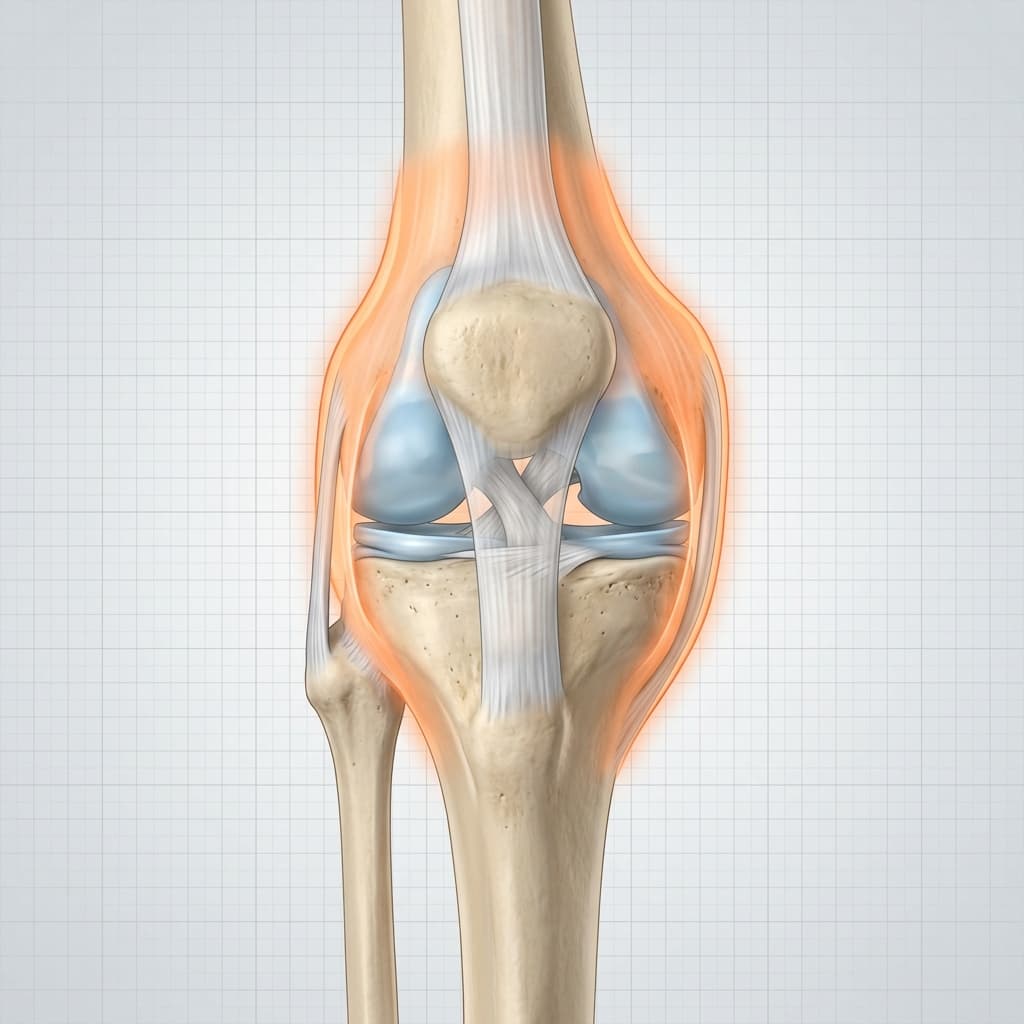
To understand why running isn't inherently damaging, we need to look at articular cartilage (the slippery, protective cushion that caps the ends of the bones in your knee joint).
Historically, people believed that cartilage was a static substance that simply wore down over time. However, modern imaging studies show that cartilage is incredibly dynamic. Think of it like a dense, wet sponge. When you run, the cyclical, rhythmic pressure of taking steps temporarily squeezes some fluid out of the cartilage. Once you stop and rest, the cartilage acts like a sponge returning to water: it draws fluid back in, bringing vital nutrients with it.
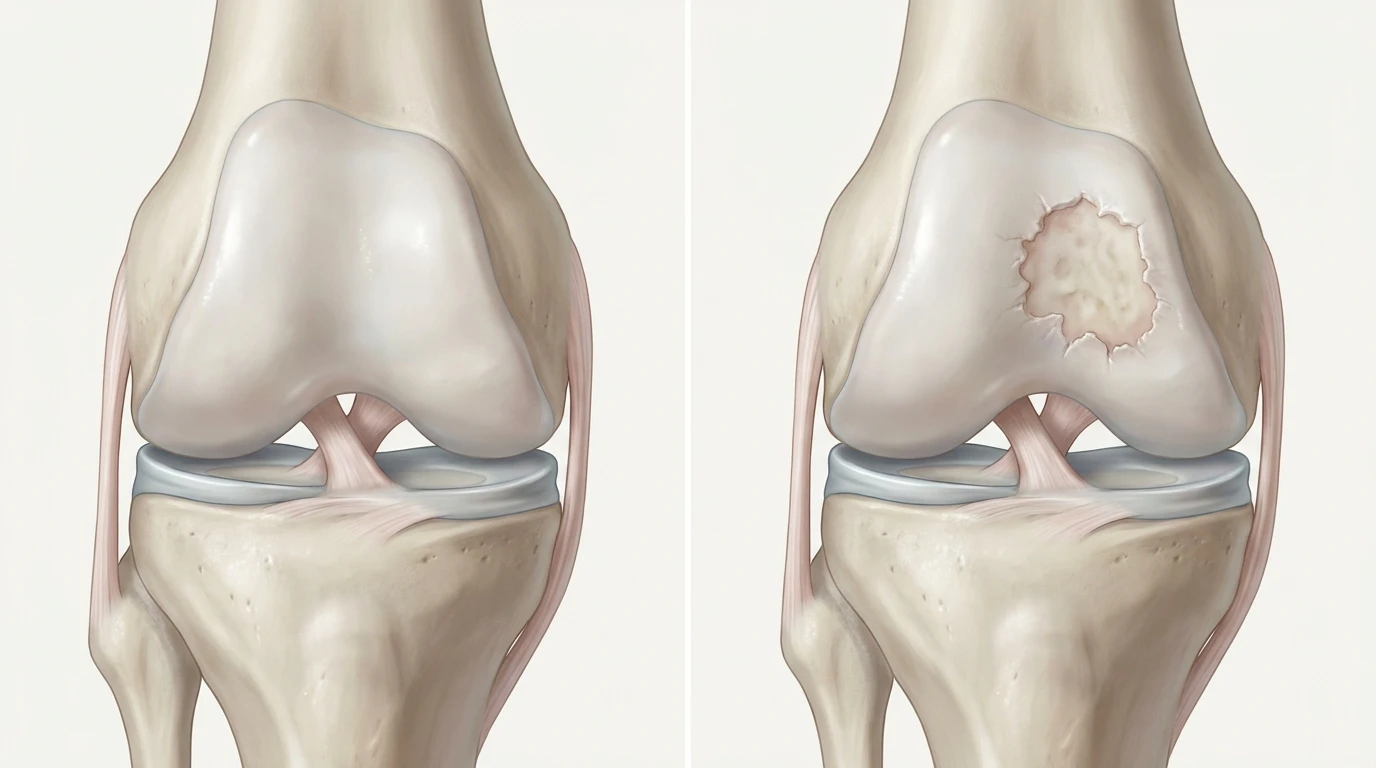
A comprehensive systematic review (a high-level study that compiles findings from multiple clinical trials) published in Osteoarthritis and Cartilage (PMID: 36402349) confirmed this beautiful biological process. Researchers found that while running causes temporary, brief changes in cartilage volume and thickness immediately after a run, these changes are fully reversible. Within just a few hours of rest, the cartilage completely recovers. Rather than causing damage, this regular "squeezing and rehydrating" cycle is actually chondroprotective—meaning it helps protect and maintain healthy cartilage by keeping it nourished.
What the Clinical Evidence Says About Osteoarthritis
The ultimate fear for many runners is knee osteoarthritis (the gradual thinning of joint cartilage leading to pain and stiffness). Fortunately, the scientific consensus is overwhelmingly reassuring for recreational runners.
- The Recreational Advantage: A landmark study published in The American Journal of Sports Medicine (by Alentorn-Geli and colleagues) analyzed data from tens of thousands of individuals. They discovered that recreational runners actually had a lower rate of knee osteoarthritis (only 3.5%) compared to sedentary, inactive people (10.2%). Sitting on the couch, it turns out, is harder on your joint health than moderate running.
- No Progression of Existing Wear: Further reassurance comes from clinical cohort studies (such as those by Lo and colleagues in Arthritis Care & Research), which tracked older individuals who already had mild, radiographically confirmed knee osteoarthritis. The researchers found that running did not increase their pain or make their joint wear progress any faster.
- Supportive Guidelines: Major international health organizations, including the National Institute for Health and Care Excellence (NICE Guidelines NG226) and the British Orthopaedic Association, strongly advocate for regular physical activity and aerobic exercise. They emphasize that staying active is one of the most effective ways to preserve joint health, manage weight, and reduce overall inflammation in the body.
When Running Challenges the Knees: Finding the Safe Zone
While recreational running is generally protective, we must acknowledge that running is a highly repetitive, high-impact sport. If your running mechanics are imbalanced, or if you exceed your body's current capacity to heal, you can develop knee pain.
The "Elite" Threshold Debate
There is a distinct difference between moderate, recreational running and competitive, high-mileage elite training.
The research indicates that while recreational running protects the knees, very high-volume or high-intensity competitive running may carry different risks. Several studies in The American Journal of Sports Medicine suggest that there is a threshold—typically around 50 to 90 miles (approximately 80 to 145 kilometers) per week—where the repetitive stress may outpace the cartilage’s ability to recover, potentially increasing the risk of joint wear.
Managing Anterior Knee Pain (Kneecap Pain)
The most common complaint among runners is patellofemoral pain syndrome (PFPS), often referred to as "runner's knee." This is characterized by a dull, aching pain behind or around the kneecap, especially when running downhill, climbing stairs, or sitting for long periods.
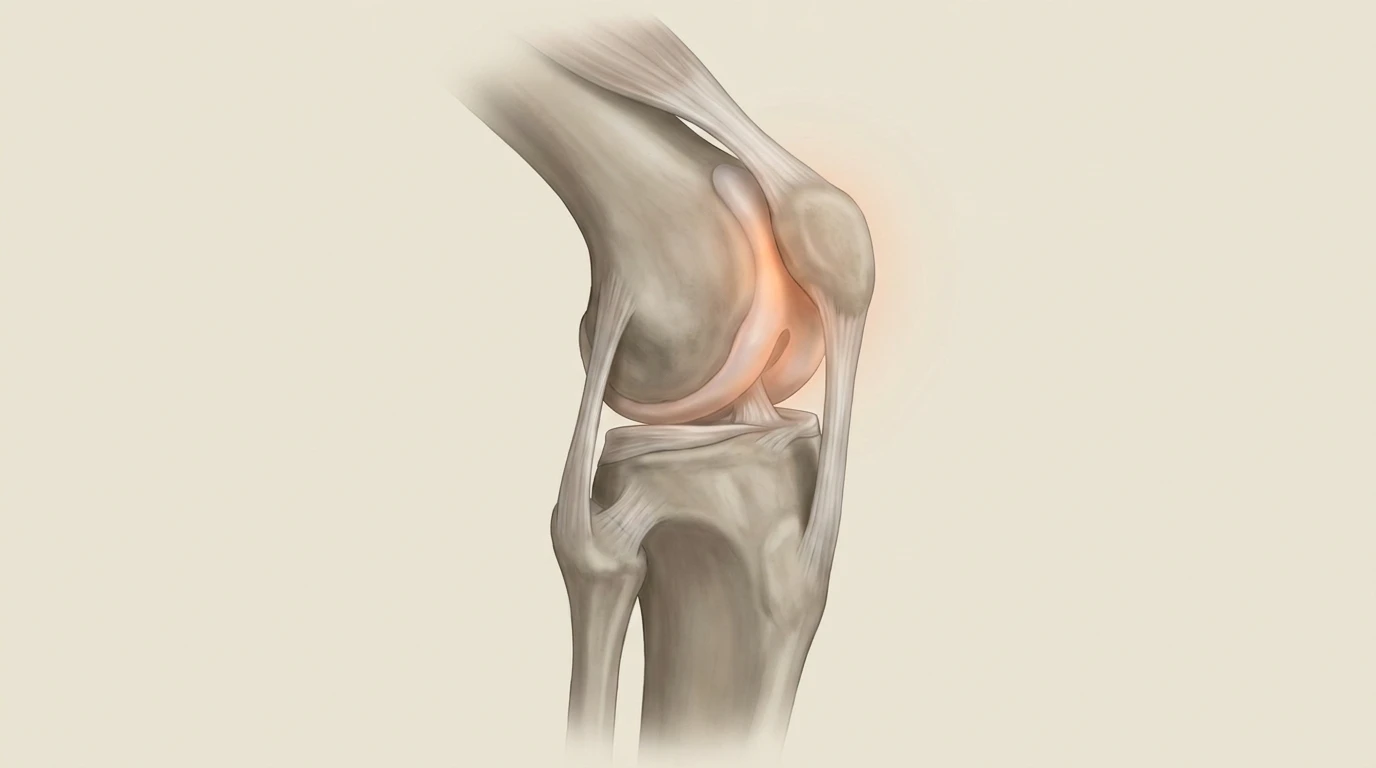
If you experience runner's knee, resting entirely or using passive treatments (like ice or ultrasound) is rarely the answer. Active physical therapy is highly superior. According to guidelines published in the Journal of Orthopaedic & Sports Physical Therapy (PMID: 31475626), the key to resolving kneecap pain lies in targeted strengthening of the muscles that support the knee—specifically your quadriceps (thigh muscles) and your posterolateral hip muscles (the glutes and hip stabilizers). Strengthening these muscles helps keep your kneecap tracking smoothly in its groove.
Gait Retraining: Adjusting Your Running Style
In addition to strength work, making small adjustments to how you run (gait retraining) can dramatically reduce the stress on your kneecap:
- Increase Step Rate (Cadence): Increasing your steps per minute by just 5% to 10% shortens your stride, prevents you from "overstriding" (landing with your foot too far in front of your body), and significantly lowers the joint impact forces.
- Modify Trunk Lean: Leaning slightly forward from your torso while running shifts some of the workload from your knees to your stronger hip muscles.
- Altering Foot-Strike Patterns: Shifting from a heavy heel-strike to a midfoot or forefoot strike pattern has been shown in biomechanical studies to reduce the load traveling up through the kneecap joint (PMID: 23850795, PMID: 30497004).
However, changing how you run is not a free lunch. Shifting your foot strike or barefoot running reduces the load on your knees, but it transfers that physical stress further down your leg to your calves and the Achilles tendon.
Running After Injury or Surgery: A Safe Return
Can you return to running if you have had a major knee injury or joint surgery? The short answer is yes—but the pathway must be carefully structured.
Whether you are recovering from an arthroscopy (minimally invasive keyhole surgery to treat cartilage or a torn meniscus), or an ACL reconstruction (replacing a torn anterior cruciate ligament), your return to running must be guided by how your body performs, not just the calendar.
The Return-to-Running Clearance Criteria
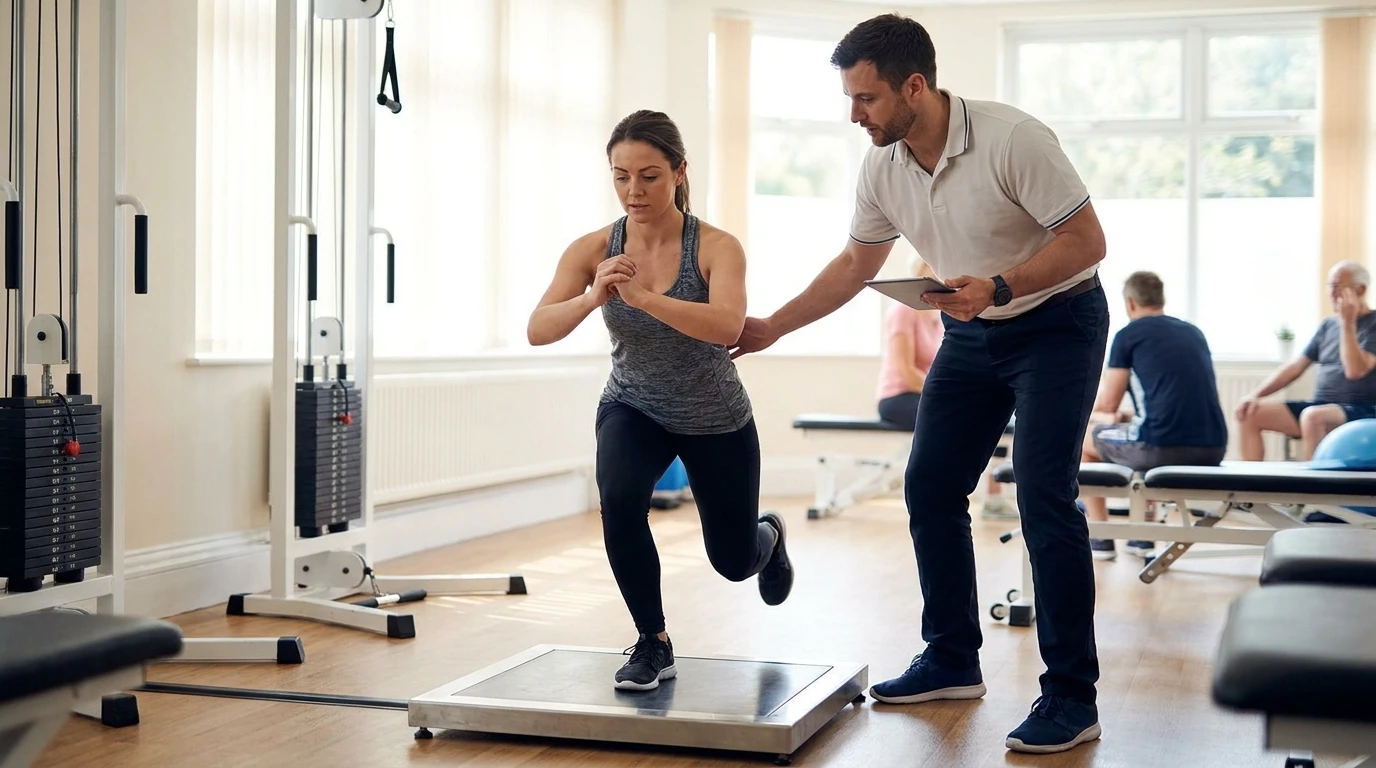
Historically, surgeons and therapists would clear patients to run based entirely on time (e.g., "you can run at 12 weeks post-surgery"). Today, modern sports medicine relies on strict, functional, criteria-based milestones to protect your joint:
- Limb Symmetry Index (LSI): You must demonstrate that the muscle strength in your injured leg is at least 90% of the strength in your healthy leg (PMID: 31378859).
- Functional Movement Battery: You should be able to complete a standardized set of functional movements pain-free with optimal knee alignment, including a 30-second single-leg squat test and a single-leg hop test (landing safely without your knee collapsing inward).
- The 24-Hour Recovery Rule: You should have no joint swelling, warmth, or localized pain that persists for more than 24 hours after a workout or physical therapy session.
Running After Joint Replacement
For patients who have undergone a partial knee replacement (UKA), returning to high-demand activities like running is possible and often highly satisfying (PMID: 34737907). However, this requires careful discussion regarding the realistic volume of running, your body weight, and your surgical technique, as repetitive heavy impact could theoretically accelerate implant wear.
Honest Gaps in Our Knowledge
While we have a wealth of evidence showing that running is generally healthy for your knees, science is an ongoing journey. There are still a few areas where clinical consensus is developing:
- Long-Term Tracking: We currently lack multi-decade prospective studies that follow runners from youth into older age using advanced quantitative MRI scans to track exact cartilage changes over a lifetime.
- Ultra-Endurance Recovery: We do not yet know the exact recovery time required for articular cartilage to fully rehydrate and regain its structural strength after extreme, ultra-endurance running events (such as 50 or 100-mile mountain ultramarathons).
- Predicting Individual Risk: We do not yet have a standardized, easily accessible screening tool to identify which individual runners might have unique bony alignments or biomechanical traits that could put them at higher risk for localized joint wear.
Summary: Your Action Plan for Healthy Running
The science is clear: for the vast majority of people, running is not bad for your knees. When approached with a sensible training volume and balanced strength, running is a powerful way to keep your heart healthy, your bones strong, and your knee cartilage nourished.
If you want to keep running safely, follow these three rules:
- Keep Moving: Do not default to rest unless recommended by a professional. Active rehabilitation and strengthening of your hips and thighs are your best defense against knee pain.
- Listen to Your Joint: Use the 24-hour rule to guide your training. Minor soreness is normal, but persistent swelling or warmth means your joint needs more recovery time or a slower progression.
- Seek Expert, Tailored Screening: If you are recovering from an injury, experiencing knee pain, or hoping to return to running after surgery, do not guess your readiness.
Take the Next Step with Lincolnshire Knee Clinic
At the Lincolnshire Knee Clinic, we provide expert, evidence-based screenings to evaluate your joint health, measure your limb symmetry, and analyze your movement patterns. We can help you build a personalized, criteria-driven program to get you back on the road safely and confidently.
To book an individual clinical consultation and movement screening with our specialist consultant, please contact us directly:
- Website: www.lincsknee.com
- Email: info@lincsknee.com
- Phone / WhatsApp: 07770473437 (Please note: our preferred method of contact for this number is via a WhatsApp message, as our consultant is frequently in theatre performing surgeries and unable to answer calls directly).
📖 Deep Dive & Scientific Evidence
If you want to know more about the clinical evidence, surgical techniques, and research on this topic, read our in-depth, technical article: Is Running Bad for Your Knees? What Modern Joint Science Actually Says (Clinical Depth) (12-15 min read).