The Short Answer: How Long Does a Modern Knee Replacement Last?
When considering knee replacement surgery—known clinically as knee arthroplasty—the single most common question patients ask in clinic is: "How long will my new knee actually last?" It is a completely understandable concern. Deciding to have knee surgery is a significant milestone, and you want complete confidence that your investment in your mobility will grant you decades of comfortable walking, gardening, traveling, and playing with family.
Historically, patients were often told that an artificial knee joint would last roughly 10 to 15 years. However, thanks to remarkable advancements in biomedical materials, precise surgical techniques, and durable joint designs, modern knee implants last dramatically longer.
Today, extensive real-world medical data shows that for the vast majority of patients, a total knee replacement will last 20 to 25 years or more—and for many individuals, it will comfortably last for the rest of their lives.
Real-World Survival Data: What Do National Joint Registries Tell Us?
Rather than relying on short-term manufacturer trials, orthopaedic specialists evaluate the true lifespan of knee implants using national database systems called Joint Registries. These registries monitor hundreds of thousands of patients over several decades, giving us reliable long-term evidence regarding exactly how long knee replacements remain functional in daily life.
A landmark study published in The Lancet analyzed data from over 500,000 knee replacement procedures recorded in major national joint registries across the UK, Australia, and Scandinavia. The long-term survival statistics provide direct reassurance to patients considering surgery:
- 15-Year Lifespan: Approximately 93% of total knee replacements are still working well without requiring further operation.
- 20-Year Lifespan: Around 90% of total knee replacements remain fully functional and comfortable.
- 25-Year Lifespan: Over 82% of total knee replacements continue to function smoothly after a quarter of a century.
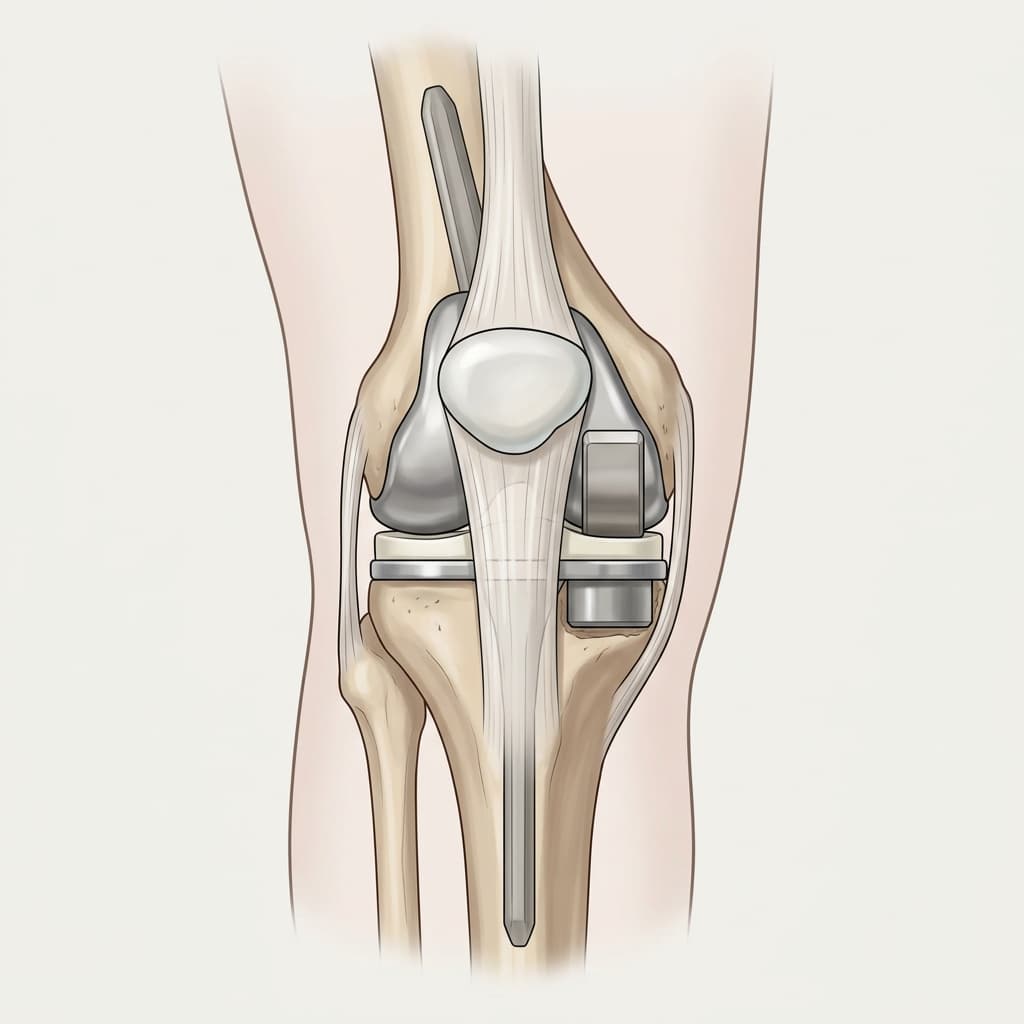
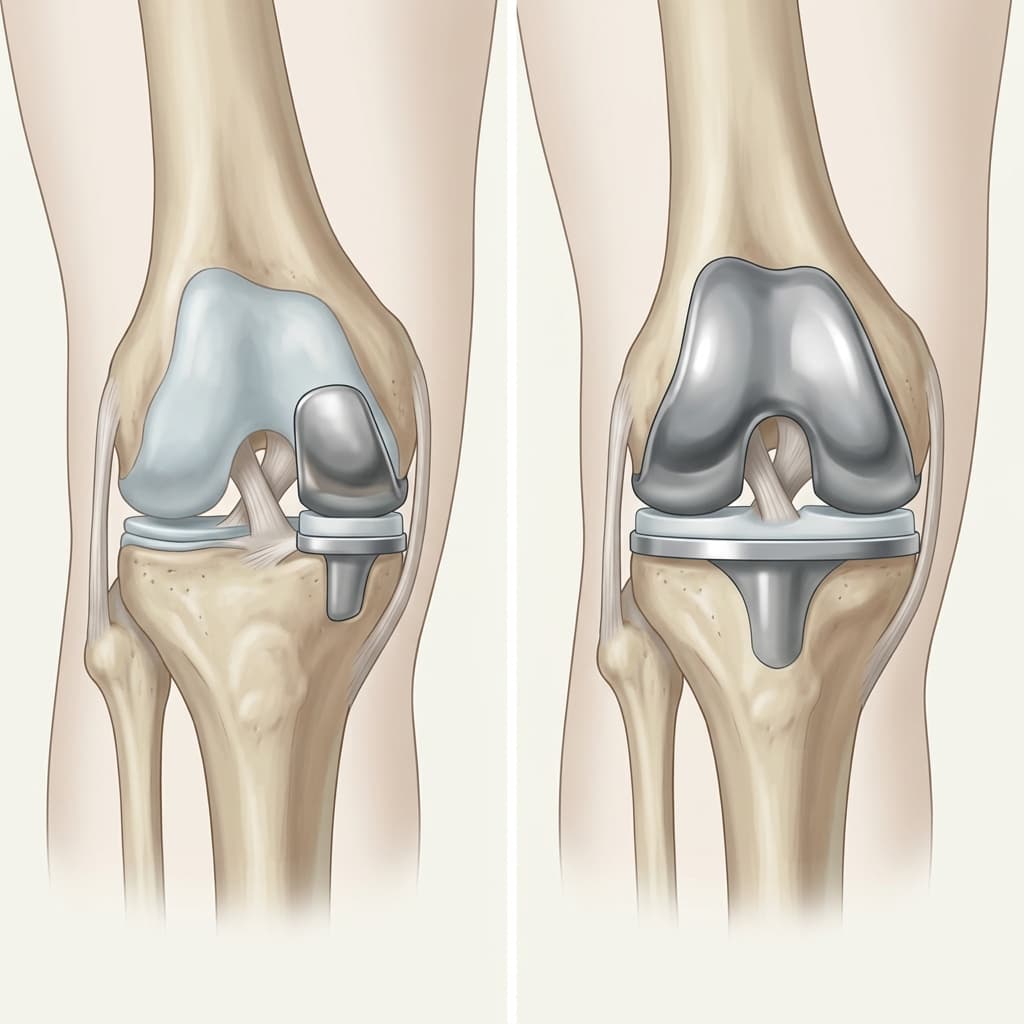
For partial knee replacements—where only the damaged inner or outer section of the knee is resurfaced—approximately 70% remain functional at 25 years. While partial knee replacements preserve more of your natural bone and ligaments—often resulting in a slightly faster early recovery and a very natural joint feel—they do carry a slightly higher likelihood of needing a repeat procedure over a 25-year period compared to a total knee replacement.
[NEEDS CLINICAL REVIEW: Confirm whether the consultant prefers emphasizing partial knee replacement's quicker functional recovery vs total knee replacement's superior 25-year revision rate when counseling patients with single-compartment knee osteoarthritis.]
Modern Engineering: Why Do Knee Implants Last So Much Longer Today?
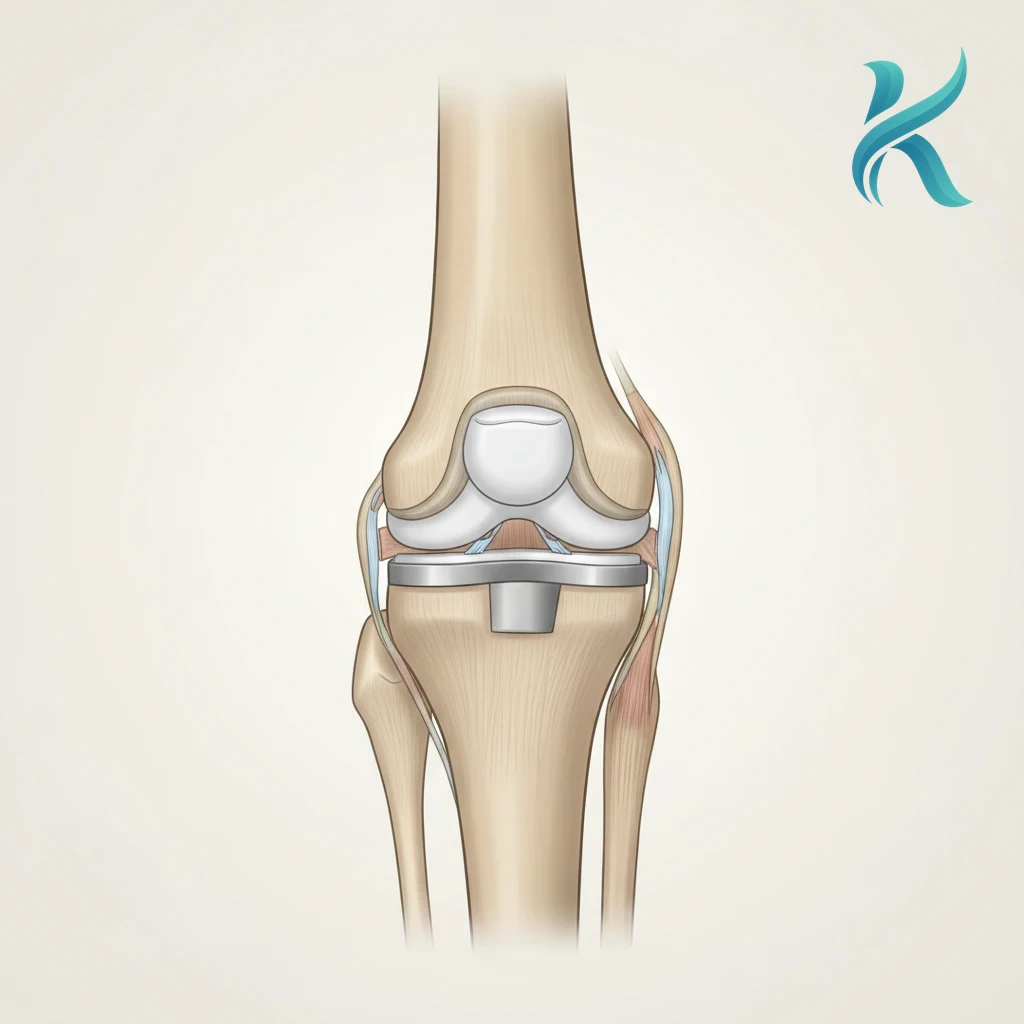
To understand why a modern knee replacement lasts for decades, it helps to look at how the artificial joint is designed and engineered. In a knee replacement, the surgeon does not remove the entire knee; instead, they carefully cap or resurface the worn-out cartilage at the ends of your thighbone (femur) and shinbone (tibia).
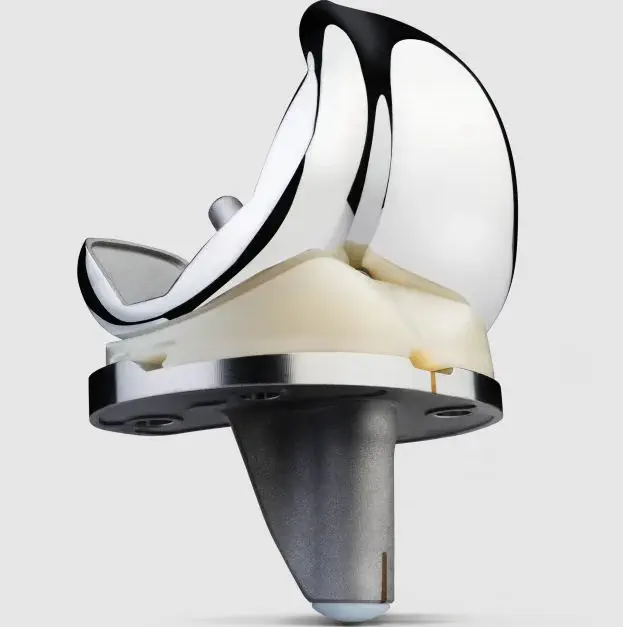
- Biocompatible Metal Components: The smooth endcaps attached to the bone are made from highly durable, biocompatible metal alloys such as cobalt-chromium or titanium. These pieces shield the bone ends and prevent painful bone-on-bone friction.
- Advanced Polyethylene Plastic Inserts: Positioned between the metal components is a ultra-durable plastic spacer made from highly cross-linked polyethylene. This medical-grade plastic acts as smooth artificial cartilage, allowing the metal surfaces to glide silently during bending and straightening.
Because modern highly cross-linked plastic is exceptionally resistant to mechanical wear, physical erosion occurs at a microscopic rate—fractions of a millimeter per year under standard daily use.
Key Factors That Influence the Lifespan of Your Knee Replacement
While national registry data provides clear benchmarks, the exact lifespan of an individual knee replacement depends on several important personal and clinical factors:
- Your Age at the Time of Surgery: Younger patients (such as those under 55 or 60) are typically more physically active and have a longer life expectancy ahead of them. As a result, younger patients have a higher statistical chance of outliving their original artificial knee over their lifetime. Conversely, patients who receive a knee replacement in their late 60s or 70s usually find that their original implant lasts for the rest of their life.
- Physical Activity and Joint Impact: Staying active is essential for maintaining strong leg muscles, bone health, and cardiac wellbeing. Low-impact activities—such as walking, swimming, cycling, golf, and doubles tennis—place minimal stress on the artificial surfaces. High-impact activities, such as repetitive running or heavy manual jumping, apply greater force across the plastic spacer over time.
- Body Weight: Higher body weight increases the physical load applied across the plastic spacer with every step you take. Maintaining a healthy weight helps preserve the plastic insert and reduces mechanical stress where the implant attaches to your bone.
- Surgical Alignment and Balance: Precise positioning of the joint components during surgery ensures that body weight is distributed evenly across the surface of the implant, preventing premature or uneven wear on one side of the plastic insert.
[NEEDS CLINICAL REVIEW: Verify preferred clinic guidance on returning to high-impact recreational activities or running after total knee replacement.]
Signs That a Knee Replacement Is Reaching the End of Its Lifespan
Over a period of 20 or 25 years, subtle wear can generate microscopic plastic particles. In some cases, the body's natural tissue response to these tiny particles can lead to gradual loosening of the bone-implant interface—a process called aseptic loosening (loosening without infection).
If an artificial knee joint begins to loosen or wear down after many years of service, you might experience:
- A gradual return of aching or pain during walking or weight-bearing activities.
- A sensation of joint instability, clicking, or feeling like the knee might yield or give way.
- New swelling, warmth, or fluid accumulation around the knee joint.
What Happens When a Knee Replacement Eventually Wears Out?
If an artificial joint reaches the end of its useful lifespan, your orthopaedic specialist will perform a comprehensive evaluation using diagnostic imaging and clinical assessments.
If the original components are worn or loose, a secondary operation known as revision knee replacement can be performed. During revision surgery, the specialist carefully removes the worn original implant and installs specialized revision components designed to re-establish joint stability, alignment, and long-term comfort.
Key Takeaways
- 20 to 25+ Year Lifespan: Over 82% of total knee replacements last 25 years or longer according to large-scale national joint registry evidence.
- Modern Materials: Highly cross-linked polyethylene plastic inserts and smooth biocompatible metal alloys drastically slow down surface wear over time.
- Protecting Your Investment: Engaging in low-impact physical exercise and maintaining a healthy body weight helps maximize the operational lifespan of your artificial knee.
- Implant Options: Total knee replacements offer exceptional 25-year survival statistics, while partial replacements provide rapid functional recovery with a slightly higher lifetime chance of revision.
- Long-Term Management: Regular periodic reviews with your knee specialist ensure your replacement remains stable, secure, and comfortable for decades.
Book Your Knee Consultation at Lincolnshire Knee Clinic
If knee pain or stiffness is limiting your mobility, independence, or quality of life, our specialist clinical team is here to guide you through every step of your joint health journey. At Lincolnshire Knee Clinic, we provide expert clinical evaluations, modern imaging, and evidence-informed advice tailored specifically to your lifestyle and goals.
To arrange a private clinical consultation and comprehensive knee assessment, please contact us using the details below:
- Website: www.lincsknee.com
- Email: info@lincsknee.com
- Phone / WhatsApp: 07770473437 (Please note: Our preferred contact method for this number is via WhatsApp message, as our consultant is frequently in theatre during clinical hours and unable to take direct calls).